

For automotive aftermarket distributors and brand owners, working with an OEM auto parts manufacturer can be an important step in developing a private label product range.
Instead of purchasing only products under existing brands, businesses can work with manufacturing partners to develop products and packaging that meet their own market requirements.
However, an OEM project involves more than adding a company logo to a product.
Buyers need to define product references, technical requirements, quality expectations, packaging specifications and production arrangements before moving forward.
This guide explains how to prepare an automotive parts OEM project and what to consider when choosing a manufacturing partner.
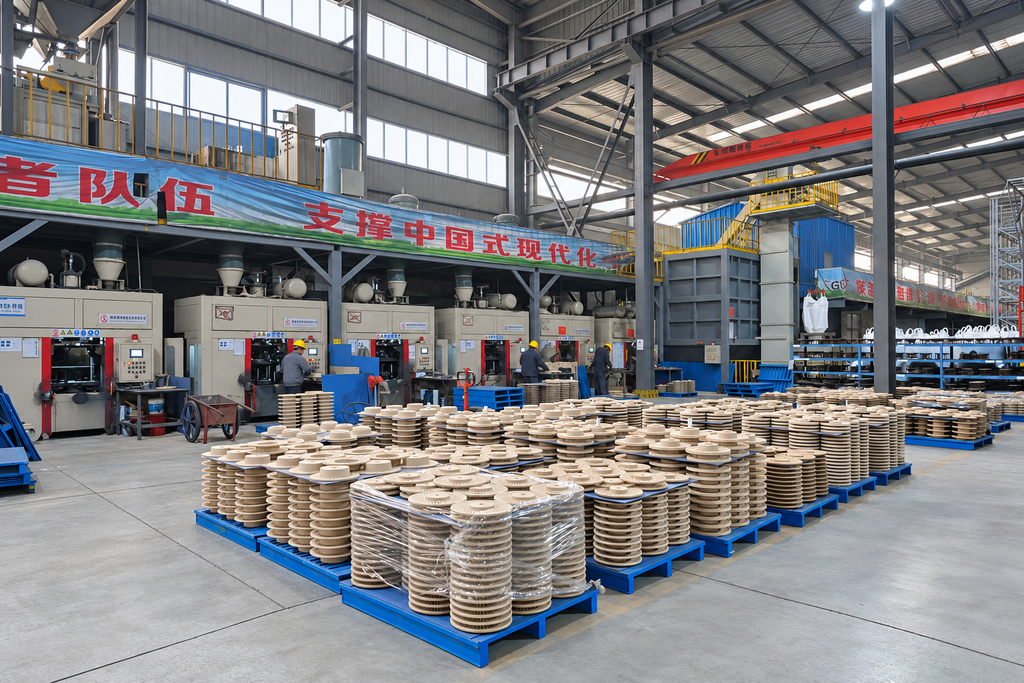
Table of Contents
What Is OEM Auto Parts Manufacturing?
OEM stands for Original Equipment Manufacturer.
In the automotive aftermarket, OEM cooperation commonly refers to a business arrangement in which a manufacturer produces automotive parts according to an agreed product specification or customer requirement.
For aftermarket distributors, this may include products sold under the buyer’s own brand.
Depending on the product and project, OEM cooperation may involve:
- Product selection
- Product specifications
- Brand identification
- Logo printing
- Retail packaging
- Product labeling
- Production planning
The exact responsibilities of the buyer and manufacturer should be clearly defined before production begins.
Which Automotive Parts Can Be Included in an OEM Project?
The product categories available for OEM cooperation depend on the manufacturer’s capabilities and project requirements.
Tongde’s product portfolio includes:
Brake Pads
Brake pads are one of the company’s core product categories.
OEM discussions may involve friction material requirements, product references, branding and packaging.
Brake Discs
Brake disc projects may involve product identification, design requirements, coating options and packaging.
Specific drilling and slot designs should be reviewed for feasibility before confirmation.
Spark Plugs
Spark plug projects require clear product identification and application information.
Buyers should provide OE references and relevant technical requirements when discussing a project.
Other Automotive Parts
Tongde’s broader portfolio also includes brake shoes, truck brake discs, ignition coils, wheels and structural components.
The availability of OEM or customization services for each product should be confirmed individually.
How to Prepare an Automotive Parts OEM Project
A well-prepared project brief helps both parties understand the requirements before sampling and production.
Step 1: Define Your Target Market
Start by identifying the market where the products will be sold.
Different markets may have different vehicle populations, customer expectations, labeling requirements and product compliance requirements.
For example, a distributor serving European aftermarket customers may need to review applicable product certification requirements and vehicle coverage.
Step 2: Select the Required Product Range
Identify the product categories you want to develop.
Prepare a list containing:
- Product category
- OE reference numbers
- Vehicle applications
- Estimated annual demand
- Expected purchasing quantities
For a larger project, organize the information into a spreadsheet.
Step 3: Confirm Technical Requirements
Technical requirements should be discussed before samples are approved.
For brake pads, this may involve friction material, construction, shims and other product details.
For brake discs, it may involve dimensions, design, coating and other application requirements.
For spark plugs, it may involve electrode type, heat range and OE application matching.
The required information depends on the selected product.
Step 4: Discuss Branding and Packaging
Private label projects often require customized product presentation.
Buyers should prepare:
- Brand logo
- Product label information
- Retail box design
- Barcode requirements
- Language requirements
- Master carton specifications
If you already have packaging artwork, provide the original files for review.
The final packaging arrangement should be approved before mass production.
Why Are Samples and Validation Important?
Samples allow buyers to review product details before proceeding with larger production quantities.
A structured sample process can help clarify product requirements and identify issues that need adjustment.
Depending on the product, buyers may review:
- Physical dimensions
- Product appearance
- Installation configuration
- Technical specifications
- Packaging presentation
- Applicable test results
For products requiring specific performance or regulatory validation, the relevant testing requirements should be agreed upon before the project begins.
Sample approval should be documented so that the confirmed specifications can be used as a reference for subsequent production.
What Should You Check When Choosing an OEM Auto Parts Manufacturer?
Choosing a suitable OEM auto parts manufacturer is an important decision for long-term brand development.
Consider the following factors.
Manufacturing Capabilities
Review the manufacturer’s product categories, production equipment and experience with the products you need.
A manufacturer with experience in your target product category may be better positioned to understand the relevant technical and production requirements.
Quality Management System
Ask about the manufacturer’s quality management system and available supporting documentation.
Tongde identifies IATF 16949 among its quality credentials. Buyers should request the current certificate and confirm its scope and validity when evaluating a project.
Product Development Support
OEM projects may require discussions about product specifications, samples and design adjustments.
Clarify which development services are available for your selected product category.
Production Planning
Before placing an order, discuss production arrangements, estimated quantities, lead times and delivery requirements.
Specific schedules should be confirmed according to the product, order size and production plan.
Communication and Documentation
A reliable manufacturing relationship requires clear communication.
Important project records may include:
- Product specifications
- Approved samples
- Packaging artwork
- Inspection requirements
- Production records
- Shipment documents
These records help both parties maintain a consistent understanding of the project.
OEM vs ODM vs OBM: What Is the Difference?
These three terms describe different business models.
| Model | Basic Meaning | Typical Application |
|---|---|---|
| OEM | Manufacturing according to agreed customer requirements | Buyers developing their own branded products |
| ODM | Product or design development based on agreed requirements | Buyers seeking customized product solutions |
| OBM | Selling products under the manufacturer’s own brand | Distributors purchasing an existing brand’s products |
The most suitable model depends on your business strategy, product requirements and available resources.
For distributors who already have an established brand, OEM cooperation may be a practical starting point.
For buyers who need product design adjustments, ODM discussions may be more appropriate.
Why Work with Tongde for Automotive Parts OEM Projects?
Laizhou Tongde Auto Parts Co., Ltd. was founded in 2012 and integrates product development, manufacturing and export support.
The company serves international automotive aftermarket customers with products including brake pads, brake discs, spark plugs and other automotive components.
Its OEM, OBM and ODM cooperation services are designed to support suitable projects involving product requirements, customization discussions and packaging arrangements.
Tongde’s website also describes its manufacturing capacity, quality management procedures and project documentation support.
For a new OEM project, buyers can provide their product references, target market, estimated quantities and branding requirements for an initial review.
Frequently Asked Questions About OEM Auto Parts Manufacturing
What information should I provide to an OEM manufacturer?
Prepare your product list, OE references, vehicle applications, estimated quantities, target market, technical requirements and packaging preferences.
Can I use my own brand logo and packaging?
Branding and packaging customization can be discussed as part of a suitable OEM project. Final arrangements depend on the product and confirmed requirements.
Do I need samples before mass production?
Samples are useful for reviewing product specifications and appearance before production approval. The sampling and validation process should be agreed upon for each project.
Can one manufacturer supply different automotive parts categories?
This depends on the manufacturer’s product portfolio and capabilities. Tongde’s portfolio includes braking products, spark plugs, ignition coils, wheels and structural components.
How do I start an OEM project?
Start by sending your target products, OE references, estimated quantities, market requirements and branding preferences. The manufacturer can then review the project and discuss the next steps.
Start Your Automotive Parts OEM Project with Tongde
Are you looking for an OEM auto parts manufacturer for your aftermarket brand?
Tongde welcomes inquiries from automotive parts importers, wholesalers, distributors and brand owners.
To help the team evaluate your project, prepare:
- Required product categories
- OE numbers and vehicle applications
- Target market
- Estimated purchasing quantities
- Technical requirements
- Logo and packaging specifications
Contact Tongde to discuss your OEM auto parts project and request a quotation.